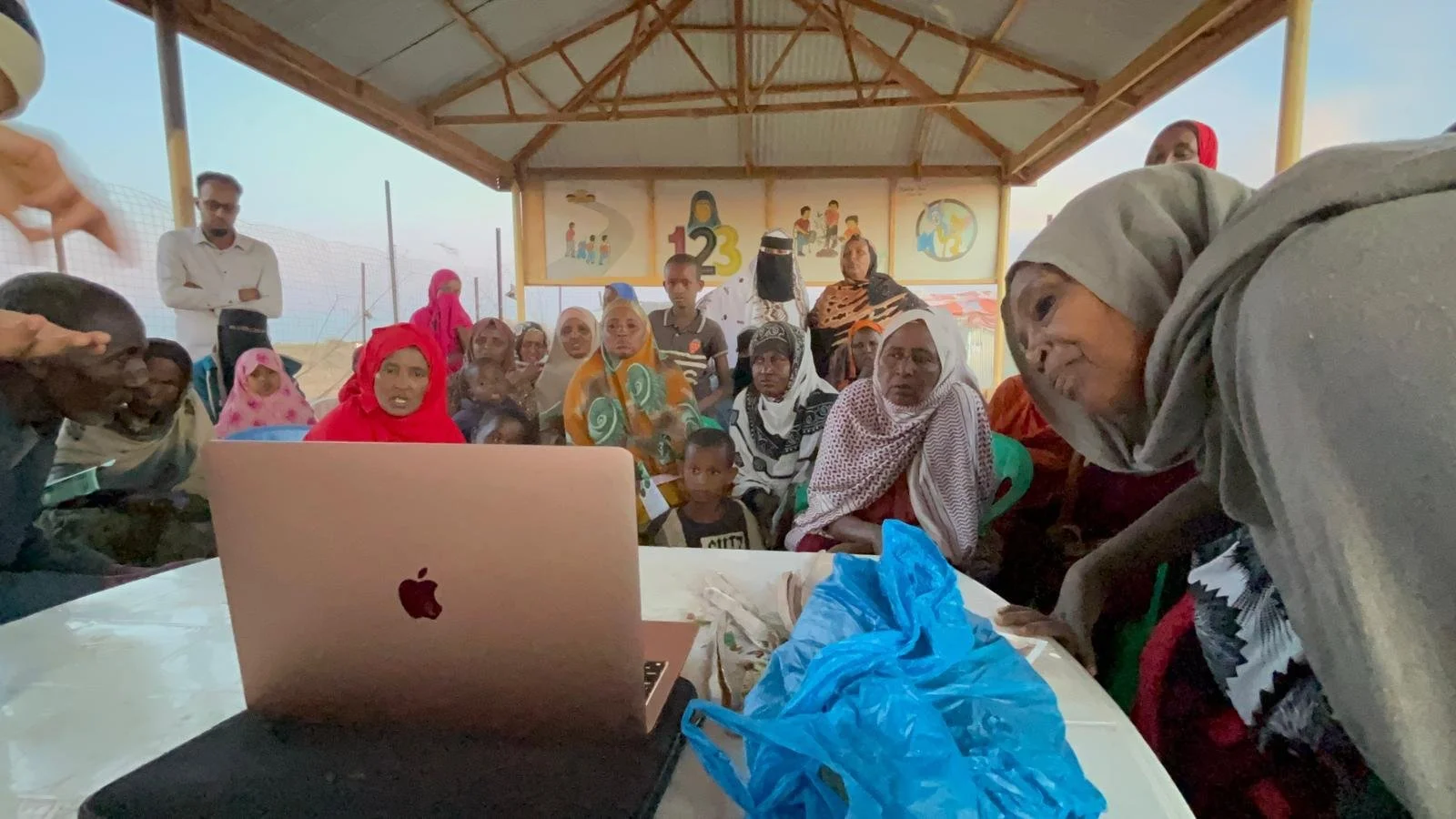
The Food Security and Famine focus area examines how communities living amid violent conflict and climate stress develop grassroots strategies to mitigate famine. This research challenges conventional famine models that prioritize state capacity and international aid, instead centring citizen agency in contexts where formal institutions routinely fail.
Drawing on field-based research in Somalia, this work investigates how community-led cultivation of Moringa oleifera—a drought-resistant, nutrient-rich crop—has improved food security and reduced famine vulnerability. Despite experiencing a more severe drought in 2022–23 than during the catastrophic 2011 famine, Somalia narrowly avoided famine-level mortality, a shift this research links to locally driven agricultural adaptation and knowledge-sharing.
By documenting how women and households quietly adopted Moringa oleifera cultivation as a survival strategy, this research highlights the power of low-cost, locally embedded interventions to improve human survival under extreme conditions. The findings contribute to broader debates on famine prevention, climate adaptation, and humanitarian policy by demonstrating how community-led action can meaningfully shape outcomes in conflict zones.