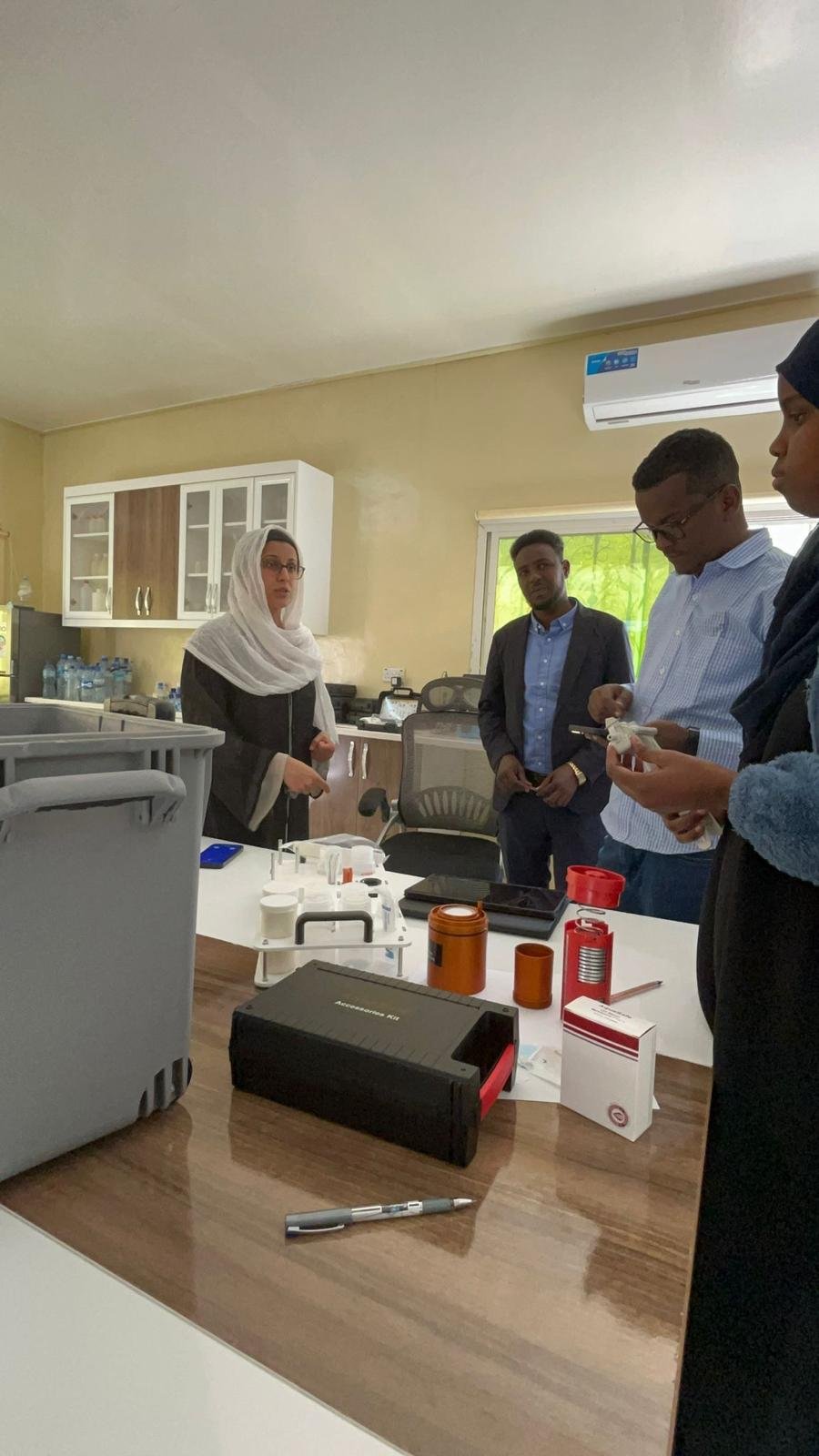
The Water Security & Public Health focus area examines how low-tech, locally available interventions can improve access to safe drinking water in conflict-affected settings. This interdisciplinary research focuses on internally displaced persons and vulnerable rural communities in Somalia, where insecurity, displacement, and environmental stress severely constrain water infrastructure and public health.
Building on the Lab’s food security research, this project investigates the use of Moringa oleifera as a community-level water purification method. Moringa seeds naturally bind sediment and pathogens in contaminated water, allowing impurities to be removed through simple filtration. This research evaluates the public health potential of this approach in settings where conventional treatment systems are unavailable or unreliable.
Bringing together scholars from biology, public health, and security studies, the project assesses water purification not only as a technical challenge, but as a question of feasibility, uptake, and survival under conditions of chronic crisis. The findings contribute to broader debates on humanitarian innovation, public health protection, and adaptive responses to insecurity in fragile environments.